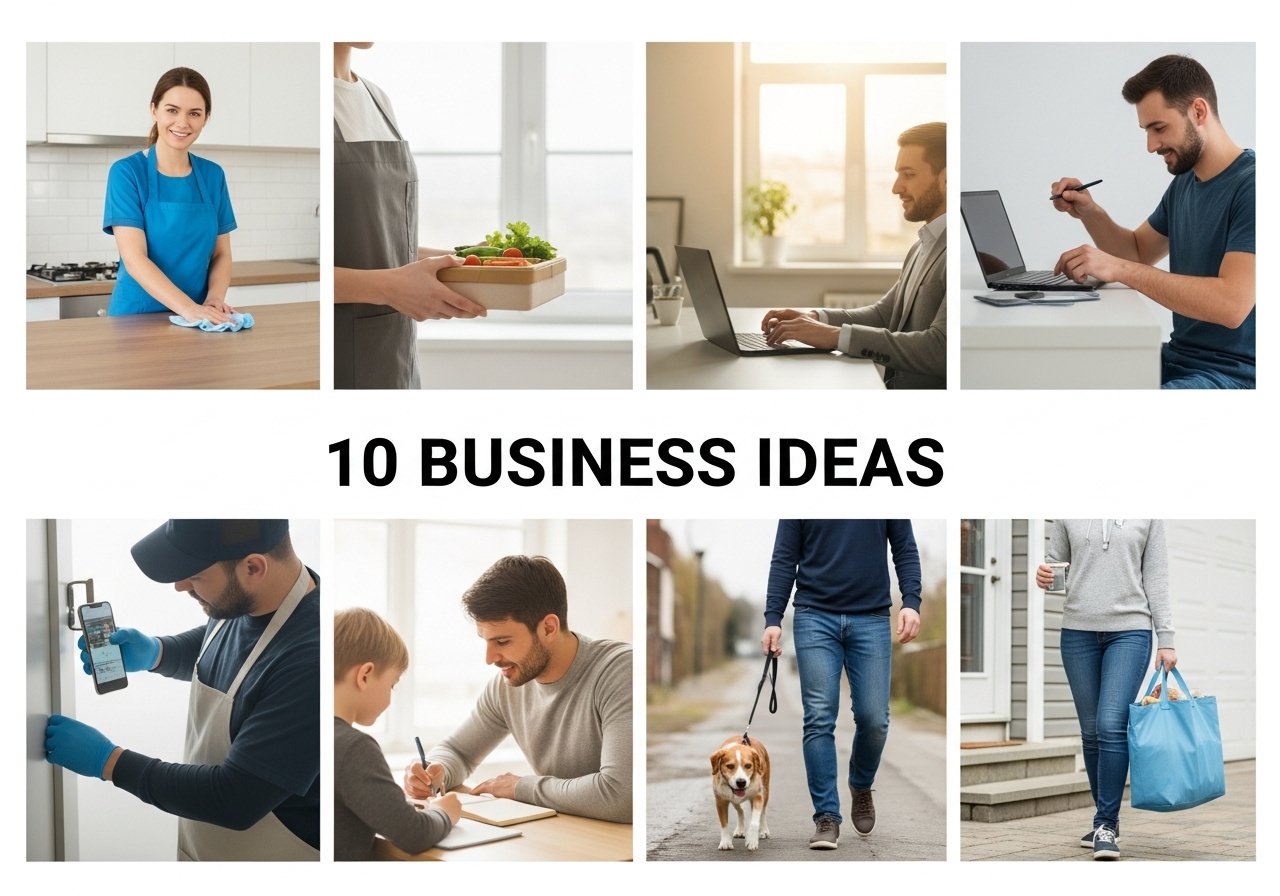
If you’ve been thinking, “I want to start a business, but I don’t want to live on social media all day,” you’re not alone.
A lot of people are tired of online noise. They want something real. Something local. Something that brings cash in a simple, honest way. And here’s the good news: offline businesses are not dead. In 2026, they’re quietly growing again, especially the small ones that solve everyday problems.
Let me ask you something. In your area, who fixes things? Who delivers help fast? Who makes life easier for busy families, older people, and working couples? Those are the businesses that win.
This guide will walk you through 10 small offline business ideas in 2026 that are realistic for beginners. No fancy words. No big hype. Just practical ideas, clear steps, and honest earning expectations.
Also, I promise I’ll keep it friendly. Starting a business is serious, but we don’t need to sound like a robot wearing a tie.
What Is “10 Small Offline Business Ideas in 2026”?
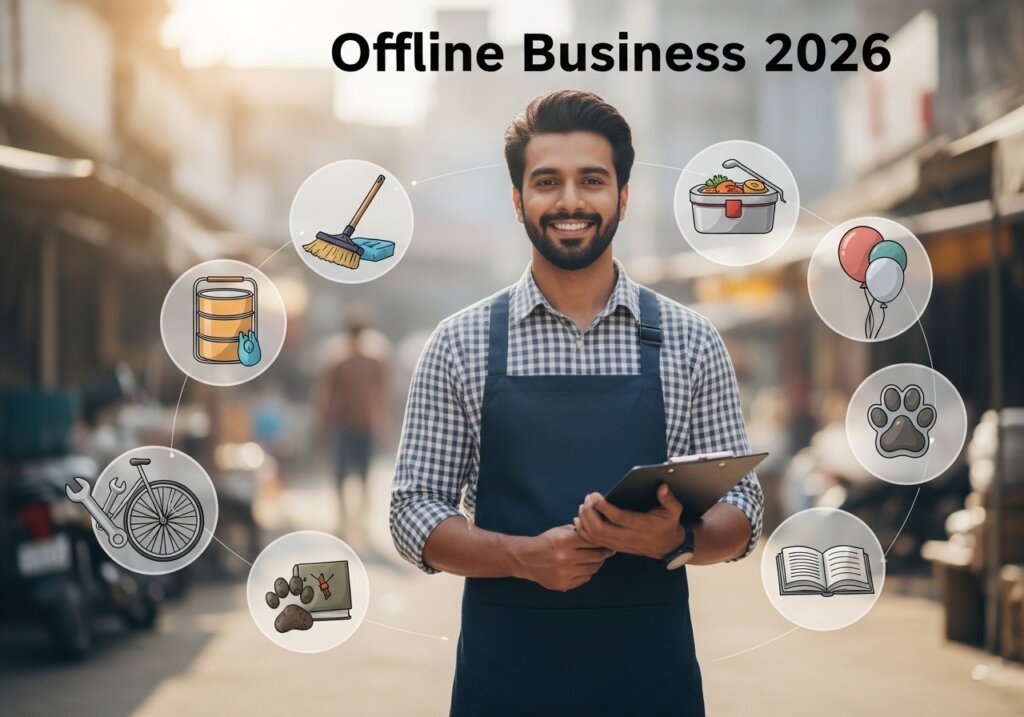
The phrase “10 small offline business ideas in 2026” simply means ten business options you can run in the real world, in your town or city, without depending fully on the internet.
Offline doesn’t mean “no internet at all.” It means your main work happens in person: at homes, shops, streets, local markets, small offices, or service areas.
These businesses usually share a few things:
They solve a simple problem people already pay for
They can start small and grow slowly
They don’t need a big team in the beginning
They can work even if you’re not good at social media
In 2026, offline business is getting stronger because:
People want fast local service
Busy lifestyles need convenience
Older adults prefer face-to-face help
Many online services still require real-world delivery and support
And yes, some offline businesses are still promoted online. But the heart of the business stays local and personal.
How Does It Work? (Step-by-Step)

Most small offline businesses follow a very simple system. Here’s how it normally works in real life.
Step 1: Choose one problem to solve
Don’t try to serve everyone. Pick one clear service like “bike repair at home” or “weekly home cleaning.”
Step 2: Define your local area
Start with a small radius: 2 to 5 kilometers, or 10 to 20 minutes travel time. This saves time and fuel.
Step 3: Set a basic price list
Keep it easy. People like clear pricing. Even if you later customize, start with simple packages.
Step 4: Get your first 10 customers
This is the “proof stage.” You learn what people actually want, not what you think they want.
Step 5: Improve your service and repeat
You fix small issues, work faster, buy better tools, and collect reviews.
Step 6: Grow with referrals and local visibility
The best offline businesses grow from word-of-mouth, community groups, local flyers, and partnerships.
That’s it. No magic. No secret tricks. Just clear work and consistent service.
Why Beginners Should Care
If you’re a beginner, offline businesses can be a great starting point for four big reasons.
First, you can start with skills you already have
You might already know how to clean, cook, fix, organize, teach, or help people. Many online business models make you feel like you need to learn 12 new apps just to begin. Offline is often simpler.
Second, you get paid faster
Many offline services are paid same-day or weekly. That helps if you’re starting with a small budget.
Third, competition is often less “loud”
Online markets can feel crowded. In local markets, many people still don’t show up on time, don’t answer calls, or do poor work. If you simply do what you promise, you already stand out.
Fourth, you build real trust
When people see you, talk to you, and feel helped, they remember you. Trust is your biggest marketing tool.
Also, let’s be honest. Some people enjoy real work more than staring at a screen all day. Your eyes deserve a break too.
Common Myths and Mistakes
Before we jump into the 10 ideas, let’s clear up a few myths that stop beginners.
Myth 1: Offline businesses can’t grow
They can. Many big businesses started as one-person local services. Growth happens through repeat customers, hiring help, and adding related services.
Myth 2: You need a shop to start
You often don’t. Many offline businesses are mobile or home-based: cleaning, repairs, tutoring, pet care, organizing, catering, and more.
Myth 3: You need a lot of money
Some ideas require tools, yes. But many can start with basic supplies and skill. The key is starting small and upgrading slowly.
Myth 4: Only “experts” can do it
Plenty of services don’t require expert-level skills. They require care, reliability, and basic training.
Common mistakes beginners make:
Trying to offer too many services at once
Pricing too low just to get customers
Not tracking costs like fuel, supplies, and time
Not asking for reviews and referrals
Buying expensive equipment before getting customers
One more mistake: waiting for the perfect time. The perfect time is like a clean kitchen with kids in the house. It’s possible, but don’t hold your breath.
10 Small Offline Business Ideas in 2026 (With Real Examples)
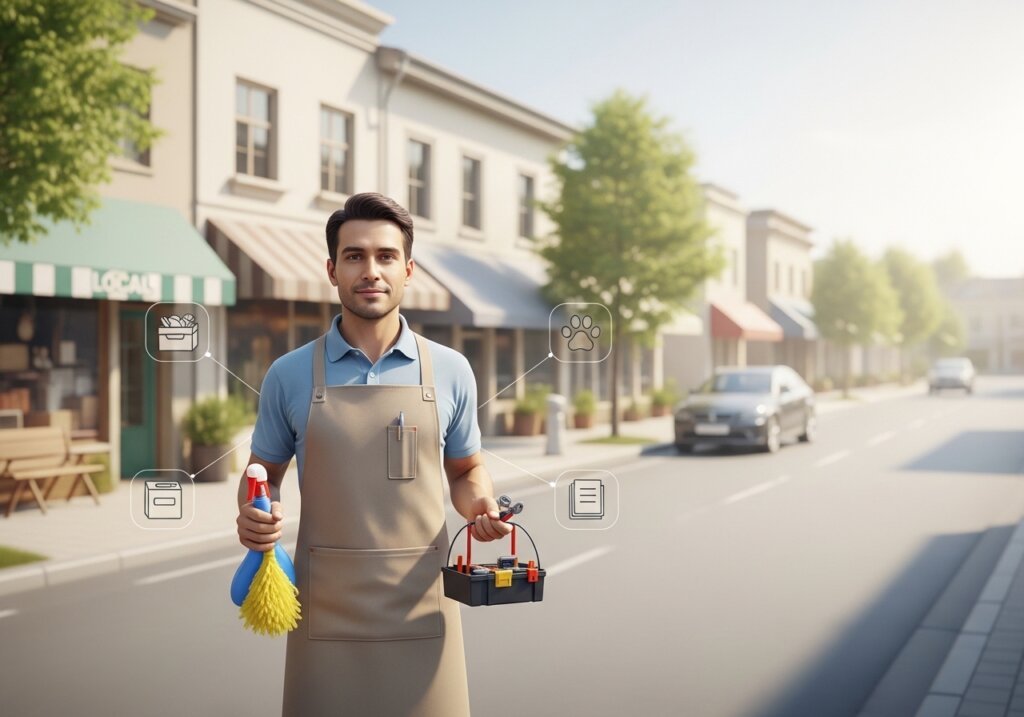
Now let’s get into the real list. These are practical, in-demand, and beginner-friendly offline business ideas for 2026.
1) Home Cleaning and Deep Cleaning Service
Why it works in 2026:
Busy families are busier. Dual-income homes are common. Older adults need help. And people want their homes clean, especially kitchens and bathrooms.
What you can offer:
Weekly or bi-weekly cleaning
Deep cleaning (once a month or season)
Move-in and move-out cleaning
Kitchen-only or bathroom-only packages
Simple real-life example:
A beginner cleaner starts with two homes per week. One customer likes the work and tells a neighbor. In three months, that’s 8 to 10 homes per week.
What you need:
Basic cleaning supplies
Gloves, microfiber cloths, mop
A checklist so you don’t forget tasks
2026 twist:
Offer “eco-friendly cleaning” using safer products. Many customers love that, especially homes with kids or pets.
Funny but true: People will judge your cleaning skills by the shine of the faucet. That faucet is basically your final exam.
2) Mobile Phone Repair and Accessories Corner (Local Setup)
Why it works in 2026:
Phones are expensive now. People repair more instead of replacing. Also, accessories sell fast: cables, cases, screen guards, power banks.
What you can offer:
Screen protection installation
Basic troubleshooting
Battery replacement (if trained)
Selling accessories
Where to run it:
Small kiosk near a market
Tiny corner in a local shop partnership
Home-based with pickup and drop service
What you need:
Basic repair toolkit
Supply source for accessories
A clear service menu and warranty policy
Beginner tip:
Start with accessories first. Repairs can be added after you learn properly or get training. You don’t want to “repair” a phone into a tablet by accident.
3) Home Cooking and Tiffin Meal Service
Why it works in 2026:
People want home-style food. Office workers, students, and older adults often need simple meals without restaurant prices.
What you can offer:
Daily lunch boxes
Weekly meal plans
Diet-friendly options like low-oil, high-protein, low-sugar
Small catering for meetings
How to stand out:
Taste and hygiene
On-time delivery
Consistent portion size
What you need:
Clean kitchen setup
Simple packaging
A way to deliver (you, family help, or local delivery partner)
Real-life example:
Start with 10 lunch boxes a day. If each customer stays for 3 months, that’s a stable base. Then add dinner boxes or weekend specials.
Quick joke: Your biggest competitor is not another cook. It’s the “I’ll start eating healthy from Monday” plan.
4) Elderly Help and Companion Service
Why it works in 2026:
Many families live away from parents. Older adults need help with daily tasks, clinic visits, groceries, and basic tech support.
What you can offer:
Grocery and medicine pickup
Accompanying to doctor visits
Basic home organizing
Reading, walking, conversation, simple exercises
Important note:
This is not medical nursing unless you’re trained. Keep your service clear and safe.
What you need:
Patience and good communication
Background verification if your area expects it
A simple service agreement
Why it’s powerful:
This business grows through trust. One happy family can bring you many referrals.
5) Local Pet Grooming and Pet Sitting
Why it works in 2026:
Pet ownership keeps rising. People travel, work long hours, and want safe pet care nearby.
What you can offer:
Basic grooming (bath, nail trim if trained)
Pet walking
Daytime pet sitting
Feeding and check-ins during travel
Where to start:
Home-based grooming corner
Mobile grooming visits
Tie-up with a local vet clinic
What you need:
Grooming supplies
Safe handling knowledge
Clear rules and emergency contacts
Beginner reminder:
Pets can be sweet, but they can also be dramatic. One cat will act like you’ve betrayed its ancestors just because you touched its paws.
6) Two-Wheeler and Bicycle Service at Home
Why it works in 2026:
More people use bikes and scooters for short trips. Many don’t have time to visit a service center.
What you can offer:
Basic bike repairs
Puncture fixes
Oil change for scooters (if skilled)
Brake adjustments, chain lubrication
Pickup and drop service
What you need:
Tool kit
Basic spare parts
A simple booking method (calls or WhatsApp)
How to price:
Charge for service plus parts
Offer monthly maintenance plans for families
Local marketing idea:
Partner with apartment communities. One notice on a board can bring 20 customers.
7) Home Organization and Decluttering Service
Why it works in 2026:
Homes are smaller, stuff is more, and people feel stressed. Organization is becoming a real paid service.
What you can offer:
Wardrobe sorting and setup
Kitchen cabinet organization
Toy and book organization
Storage planning for small homes
What you need:
Storage boxes (optional, you can recommend instead)
Label maker (nice to have)
A calm, practical approach
Real-life example:
A client calls you for a wardrobe. You finish in 4 hours. They post before-after photos in a local group. You get three new leads next week.
This is also a great add-on for cleaning services.
8) Kids Tutoring and Homework Help (Offline)
Why it works in 2026:
Parents want personal attention for their kids. Many kids need help with basics, not advanced topics.
What you can offer:
Reading support
Math basics
Homework supervision
Exam revision
Handwriting practice for younger kids
Where to run it:
At your home (small batches)
At the student’s home
Small neighborhood tutoring center
What you need:
Simple books and worksheets
A clear schedule
Patience and a friendly style
Beginner advice:
Start with 2 to 3 students. Get results. Ask for parent reviews. Grow slowly.
Also, tutoring teaches you patience in a special way. A child will ask “why” 17 times, and somehow they’re still correct.
9) Event Setup and Decoration (Small Events)
Why it works in 2026:
People still celebrate birthdays, engagements, baby showers, shop openings, and small office events. Many want simple, nice decor without a huge budget.
What you can offer:
Balloon decoration
Basic backdrop setup
Table decor and lights
Rental items like stands, curtains, speakers (later)
What you need:
Basic decoration materials
A bike/car for transport
A portfolio of photos (from your early events)
How to start:
Decorate one family event at low cost
Take good photos
Create simple packages: basic, standard, premium
This business can grow quickly during festival and wedding seasons, so plan your time.
10) Local Laundry Pickup and Drop Service (Micro-Laundry Partner Model)
Why it works in 2026:
People want convenience. Not everyone has time, space, or energy to do laundry properly.
How it works:
You collect clothes from homes
You wash and iron yourself, or partner with a local laundry shop
You deliver back neatly packed
What you can offer:
Weekly subscription plans
Express service (with extra charge)
Special care for delicate clothes
What you need:
Bags, tags, and tracking method
A reliable washing setup or partner shop
Basic customer service skills
Beginner tip:
Start with a partner laundry shop. You focus on pickup, delivery, and customer handling. Later, if you want, you can set up your own machines.
One simple truth: People will forgive many things, but they won’t forgive missing socks. Guard socks like they’re gold.
Realistic Earning Potential (Honest, No Fake Hype)
Let’s talk money in a realistic way. Earnings depend on your city, pricing, skill, speed, and how many hours you work.
Here’s a simple monthly range for a one-person beginner, after basic expenses, once you have regular customers (often after 2 to 4 months):
Home cleaning: moderate and steady, can become strong with repeat clients
Mobile accessories and basic phone services: moderate, can be strong in good locations
Tiffin meal service: moderate, can grow well if delivery is smooth
Elderly help service: steady and trust-based, often good hourly pay
Pet grooming/sitting: moderate, can grow well with regular clients
Bike/scooter basic service: moderate, can be strong during seasons
Home organizing: moderate, higher per job, but less frequent
Offline tutoring: steady, grows slowly, very stable long-term
Small event decor: can be high in peak season, slower in off-season
Laundry pickup/drop: moderate, stable with subscriptions
The honest truth:
You probably won’t get rich in 30 days. But you can build stable income within 3 to 6 months if you stay consistent.
A good target for beginners is:
Get 10 paying customers
Then aim for 30 repeat customers
Then create packages or subscriptions to stabilize income
Step-by-Step Practical Guide to Start (Even If You’re Confused Right Now)
Here’s a beginner-friendly plan you can follow for any of these offline business ideas.
Step 1: Pick one idea and commit for 90 days
Don’t jump between ideas every week. Choose one and give it a fair try.
Ask yourself:
Do I like this work?
Can I do it 5 days a week?
Do people nearby need it?
Step 2: Define your “one-line offer”
This is what you tell people in one sentence.
Examples:
“I do weekly home cleaning for busy families in this area.”
“I deliver home-style lunch boxes to offices nearby.”
“I provide bike repair at home on weekends.”
If you can’t explain it simply, customers won’t understand it quickly.
Step 3: Create simple pricing
Keep 3 options at most.
Example for cleaning:
Basic: 2 hours
Standard: 4 hours
Deep clean: full home
Example for tutoring:
Monthly plan: 8 classes
Monthly plan: 12 classes
Exam revision pack: 10 days
Step 4: Get your first customers without spending big
Try these methods:
Tell friends and family (yes, it works)
Talk to neighbors and shop owners
Put a small poster near apartments (with permission)
Use local WhatsApp or community groups
Ask one local shop to keep your visiting card
Partner with related businesses (salon, grocery, gym, clinic)
Step 5: Deliver amazing service
This is where most people win or lose.
Be on time
Be clean and polite
Do what you promised
Communicate clearly
Fix mistakes fast
Step 6: Collect proof
Proof means:
Photos (before-after for cleaning, decor, organization)
Short written reviews
Video testimonials (if people agree)
This proof becomes your best marketing.
Step 7: Repeat and build routines
Make your work easier with routines:
Same checklist
Same packing method
Same pricing sheet
Same weekly schedule
Tools, Platforms, or Methods That Help (Offline-Friendly)
Even offline businesses use small tools to stay organized. Keep it simple.
Basic tools you’ll actually use:
A notebook or simple spreadsheet for orders
WhatsApp Business for messages and quick replies
Google Maps listing (Google Business Profile) so locals find you
A basic flyer design (you can make it simple)
A payment method people trust (cash, UPI, card, etc.)
If you create just one thing online, do this:
Set up a Google Business Profile with your service area, photos, timing, and phone number. It helps you show up when people search “near me.”
Also consider:
A simple booking form
A basic rate card image you can send on WhatsApp
A customer list with next service date reminders
None of this needs to be fancy. Fancy doesn’t pay bills. Good service pays bills.
Tips to Succeed Faster (Without Burning Out)
Be reliable like a clock
Many local service providers fail because they cancel, come late, or don’t reply. If you’re simply reliable, you’re already ahead.
Start narrow, then expand
Offer one main service. Add extras later.
Example:
Start with home cleaning
Later add sofa cleaning or organization
Use packages and subscriptions
Subscriptions reduce stress because you know your next month is partly booked.
Example:
Laundry weekly plan
Monthly tutoring plan
Bi-weekly cleaning plan
Track every cost
Fuel, supplies, packaging, small repairs. If you ignore costs, you’ll feel busy but earn less.
Ask for referrals
Don’t feel shy. After good service, say:
“If you liked my work, could you refer me to one friend or neighbor?”
Many people will help you, they just need a reminder.
Keep learning small skills
Watch a short training video. Learn better techniques. Improve your speed. Small improvements compound fast.
Beginner-Friendly Mistakes to Avoid
Mistake 1: Pricing too low
Low price attracts difficult customers and burns you out. Price fairly for your time and quality.
Mistake 2: Not setting boundaries
If you’re available 24/7, you’ll hate your business. Set working hours.
Mistake 3: Buying too much equipment early
Get customers first. Upgrade tools with profit, not hope.
Mistake 4: Ignoring safety
Use gloves, masks if needed, safe lifting, and basic hygiene. If you’re doing repairs, follow safe practices.
Mistake 5: No written confirmation
Even simple services should have clear confirmation:
Date, time, address, price, what’s included
A short WhatsApp message is enough.
Mistake 6: Trying to copy someone else
Your style is your advantage. Be friendly, consistent, and honest.
FAQs About 10 Small Offline Business Ideas in 2026
1) Which offline business is best to start in 2026 with low investment?
Home cleaning, tutoring, elderly help, and pet sitting often need low investment. You mostly need basic supplies and skills. Start with what matches your daily life and comfort.
2) Can I start an offline business if I have a full-time job?
Yes. Many people start on weekends or evenings. Good options include tutoring, bike repair, event decor (weekends), and laundry pickup on fixed days. Just keep your schedule realistic.
3) How do I get customers for a small offline business in my area?
Start with neighbors, friends, apartment groups, local shop partnerships, and referrals. Also create a Google Business Profile so people searching locally can find you.
4) Do offline businesses still work when everything is going online?
Yes, because many needs are physical: cleaning, repairs, food, tutoring, elder support, pet care, laundry. Online tools can help marketing, but the service still happens offline.
5) How much can a beginner realistically earn from a small offline business?
It depends on your service, area, and hours. Many beginners build steady income within 3 to 6 months by focusing on repeat customers and simple packages. Don’t expect instant high income, but stable growth is realistic.
6) What is the biggest reason small offline businesses fail?
Most fail due to inconsistency: poor timing, weak communication, and uneven quality. Skills matter, but reliability matters even more.
7) Should I register my offline business in 2026?
If your area requires licenses for your service, or if you want to work with apartments, offices, or partners, registration helps. Start small, learn the rules locally, and legalize as you grow.
Final Conclusion (A Practical Push to Start)
Starting small is not something to feel ashamed about. It’s how real businesses are built.
The best part about these 10 small offline business ideas in 2026 is that you don’t need to be famous, viral, or perfect. You need to be useful. You need to show up. You need to do honest work and treat people well.
So here’s a simple challenge for you:
Pick one idea from this list
Write your one-line offer
Talk to five people this week
That’s it. Five. Not fifty.
A year from now, you can still be “thinking about starting,” or you can be the local person everyone recommends. Your choice.
If you want, tell me your city type (small town, mid city, big city) and what skills you already have, and I’ll suggest the best two offline business ideas for you and how to price them in a beginner-friendly way.
If You want To start make making money online then you can check these articles:
20 AI Tools for Online Earning Beginners (Simple Guide 2026)
Real Online Earning Methods for Beginners (Safe & Practical)
How to Earn Money Online With No Skills: A Real, Beginner-Friendly Guide
How to Make $12k–$15k Per Month in 2026 With AI and Digital Products (No Skills Required) 20 Small Business That You Can Start With AI in 2026 (Beginner-Friendly Ideas + Step-by-Step Guide)